Loading...
HomeSchengen Visas for Thai Citizens
Unsure Which Schengen
How We Help
Unsure Which Schengen
Visa Applies?
Not every trip to Europe fits neatly into one obvious visa category. Lawyers for Expats Thailand reviews your travel plans and circumstances first, identifies the Schengen application route that appears appropriate and then helps prepare the application around the real purpose of your visit.
How We Help
What we do when you get in touch
The assessment is built around your actual travel plans, not a template. Here is what happens from the first call through to the decision.
1
Understand Why You Want to Travel
We start with the purpose of the trip, the countries involved, who you are visiting or meeting, how long you plan to stay and what you intend to do while you are there.
2
Identify the Route That Fits the Circumstances
We compare the proposed visit with the available Schengen short-stay purposes and determine which application route appears most appropriate for the actual trip.
3
Establish the Evidence Needed
Once the route is identified, we explain and organise the supporting evidence relevant to that particular application, destination and set of circumstances.
4
Prepare and Manage the Application
Where you proceed with the service, we prepare and manage the application from submission through to the decision. The competent Schengen authority makes the visa decision, not Lawyers for Expats Thailand.
What We Do For Our Clients
The full scope of what we handle
Identifying the correct route touches the purpose of travel, the itinerary and the evidence that follows from both. Here is the actual scope of what our team handles.
Starting With the Real Purpose of Travel
The application route should be driven by what the applicant genuinely intends to do. Circumstances may involve tourism, visiting a partner, visiting family, business meetings or professional visits, conferences or events, or another genuine short-stay purpose — not an exhaustive list of every possible Schengen purpose.
Q
What if my trip could fit more than one visa category?
We look at the main purpose of the proposed trip and the actual circumstances before deciding which application route appears most appropriate. The objective is to make sure the application reflects what the traveller genuinely intends to do.
Understanding the Countries Involved
The proposed itinerary matters when identifying the competent Schengen state. We establish the countries being visited, the purpose in each country, the length of stay, the main destination, the itinerary, and entry arrangements where relevant to determining jurisdiction — this is not simply a matter of applying to the first country entered.
Q
Does it matter which Schengen country I apply to?
Yes. The competent country depends on the actual itinerary and main destination. We review the proposed trip before the application is prepared so it can be lodged with the authority that appears appropriate for the journey.
Separating Tourism From Private Visits
An ordinary holiday and a visit to a partner or family member can require different evidence. Tourism places greater emphasis on itinerary and travel arrangements, partner visits may require relationship and host evidence, and family visits may require evidence of the family relationship and invitation or host arrangements. Choosing the correct purpose before preparation matters.
Separating Business, Events and Other Short Visits
Business travel, conferences, sporting or cultural events and other temporary activities can involve different supporting evidence. The genuine activity matters, and a short-stay Schengen visa does not automatically provide permission to work.
Q
What if I am travelling for both business and tourism?
Mixed-purpose trips need to be presented according to the genuine main purpose and itinerary. We review the activities involved and organise the application so the reason for travel is explained consistently rather than forcing the trip into an inaccurate category.
Identifying the Evidence Before You Apply
Once the purpose and competent destination are understood, we identify the evidence relevant to the particular application. This may concern the purpose of travel, itinerary, finances, accommodation, host or invitation evidence where applicable, relationship or family evidence where applicable, business or event evidence where applicable, circumstances in Thailand, and the supporting documents required for the application.
Preparing and Managing the Chosen Application
Identifying the route is only the first stage. Where the client proceeds, we prepare the application, organise supporting evidence, review consistency, prepare the client for submission, assist with the application-centre or biometrics stage where appropriate, assist with further-document requests where appropriate, and manage the application through to decision.
Q
Who makes the final decision about which visa is granted?
Lawyers for Expats Thailand helps identify and prepare the application route that appears appropriate, but the final visa decision is made by the competent Schengen authority.
Our Commitment To You
What you can hold us to
We Start With Your Real Travel Plans
We identify the application route from what you genuinely intend to do rather than choosing a category first and forcing the trip to fit it.
We Explain Why the Route Fits
We make sure you understand which type of application appears appropriate and what evidence will be relevant to it.
We Build the Evidence Around the Chosen Route
Once the route is identified, we organise the supporting documentation around the specific purpose, itinerary and circumstances.
Managed Through to Decision
Where you proceed with the application service, we manage the application through submission and the decision.
Who You'll Work With
Real people, not a case number
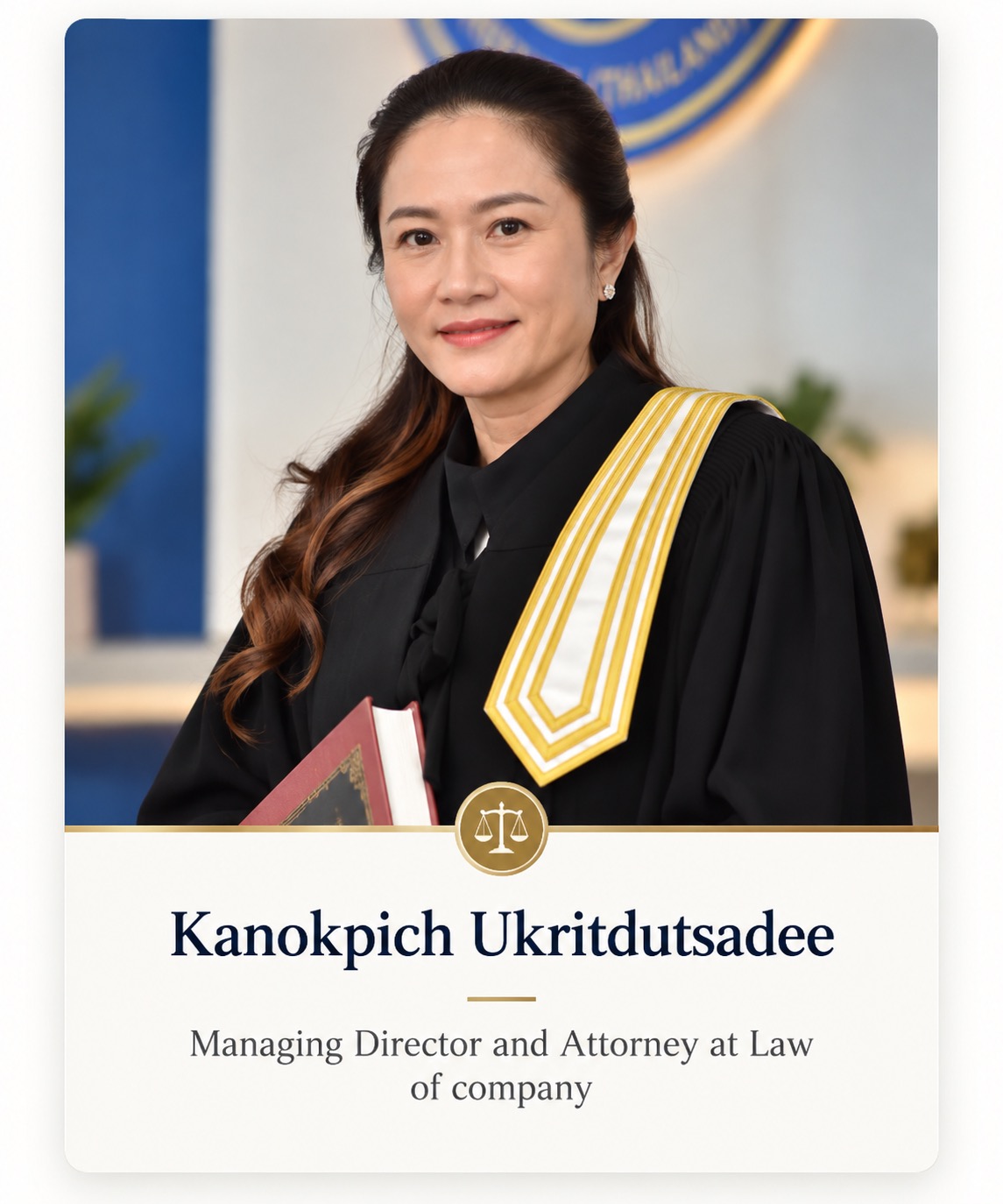
Kanokpich Ukritdutsadee (Lawyer Pook)
Managing Director & Lead Barrister
Leads the initial assessment of Schengen travel plans for Thai clients, personally responsible for identifying the application route that appears appropriate before any evidence is prepared.
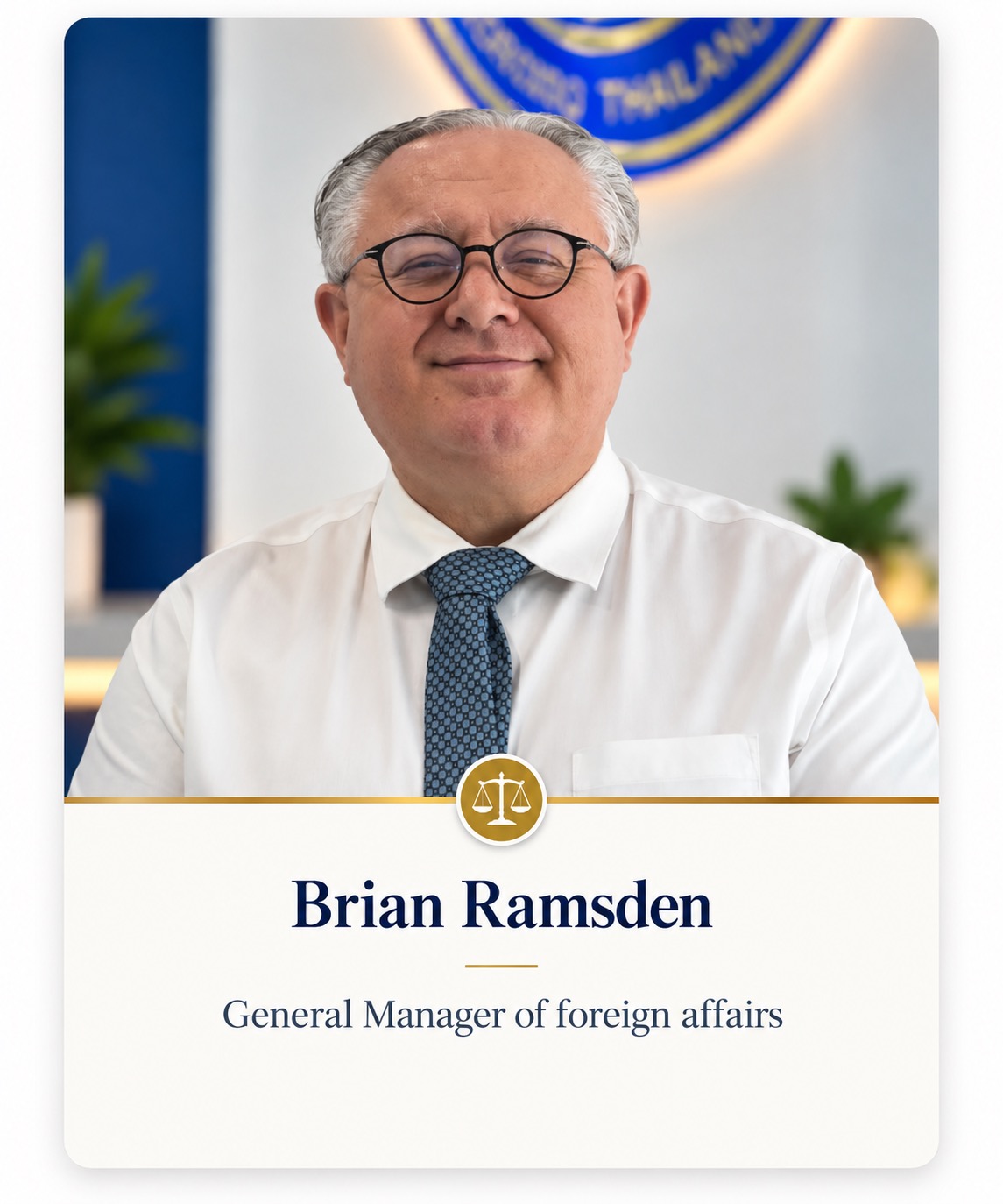
Brian Ramsden
General Manager of Foreign Affairs
Your first point of contact. Brian coordinates the initial conversation about your travel plans, helps gather the details needed for the assessment, and stays as your liaison once the appropriate route is identified.
Related Resources
More on visas abroad for Thai citizens
Once the appropriate route is identified, here are the dedicated service pages for the most common Schengen application types.
Schengen Tourist Visa for Thai Citizens
→Application and evidence preparation for Thai citizens travelling to Europe for tourism
Schengen Visa to Visit a Partner
→Application and evidence preparation for Thai citizens visiting a partner in Europe
Schengen Visa to Visit Family
→Application and evidence preparation for Thai citizens visiting family in Europe
Schengen Business Visa for Thai Citizens
→Application and evidence preparation for Thai citizens travelling to Europe for business
Lawyers for Expats Thailand, 2026. The content of this page is general legal information and does not constitute legal advice for any specific matter. Please contact us for advice on your individual circumstances.