Loading...
HomeCanadian Visas for Thai Citizens
Canadian Spousal / Common-Law
How We Help
Canadian Spousal / Common-Law
Sponsorship for Thai Citizens
Sponsoring a Thai spouse or common-law partner for permanent residence in Canada involves evidence from both partners and a careful explanation of the relationship and sponsorship circumstances. Lawyers for Expats Thailand helps couples organise the sponsorship, permanent residence and supporting documents so the case is prepared clearly and consistently from the outset.
How We Help
What we do when you apply
A sponsorship case is prepared around your relationship and circumstances, not a template. Here is what happens from the first call through to the decision.
1
Understand Your Relationship and Sponsorship Circumstances
We start by understanding whether you are married or common-law, how your relationship developed, where you live, the sponsor's Canadian status and the couple's plans for Canada.
2
Build the Relationship and Sponsor Evidence
We organise the relationship history, civil documents, sponsor information and other supporting evidence relevant to the sponsorship and permanent residence applications.
3
Prepare and Review the Applications
We help prepare the sponsorship and permanent residence documentation so the relationship, applicant information and sponsor circumstances are presented consistently.
4
Support the Case Through the IRCC Process
We remain involved as the matter progresses and help organise additional documents or information where appropriate. Immigration, Refugees and Citizenship Canada makes the sponsorship and permanent residence decisions, not Lawyers for Expats Thailand.
What We Do For Our Clients
The full scope of what we handle
A sponsorship case touches the relationship, the sponsor's circumstances and the permanent residence stage together. Here is the actual scope of what our team handles.
Establishing Whether the Relationship Is Spousal or Common-Law
IRCC distinguishes between legally married spouses and qualifying common-law partners. A spouse is legally married, while a common-law partner is not legally married but has lived with the sponsor continuously in a conjugal relationship for at least 12 consecutive months.
Q
Do we have to be legally married to use Canadian partner sponsorship?
No. Canadian sponsorship can apply to a qualifying spouse or common-law partner. For common-law sponsorship, IRCC generally requires the couple to have lived together continuously in a conjugal relationship for at least 12 consecutive months.
Preparing Evidence of the Genuine Relationship
The relationship needs to be genuine and not entered into only for immigration purposes. Depending on the couple's circumstances, evidence may involve relationship history, communications, photographs, travel together, periods spent together, shared finances, joint household arrangements, shared address evidence, family involvement, marriage documentation where applicable, and plans for life together in Canada.
Q
Do common-law couples need different evidence from married couples?
The core issue is presenting the genuine relationship, but the evidence can differ. A common-law couple will generally need evidence showing the qualifying period of living together, while married couples will also provide evidence of the legal marriage and their wider relationship circumstances.
Establishing the Canadian Sponsor's Eligibility
The sponsor's status and circumstances matter. IRCC currently allows sponsorship by an eligible person who is generally at least 18 and a Canadian citizen, a permanent resident, or a person registered in Canada under the Indian Act. A Canadian citizen living outside Canada can potentially sponsor if they show plans to live in Canada when the sponsored person becomes a permanent resident, while a permanent resident living outside Canada cannot sponsor from abroad.
Q
Can a Canadian sponsor live outside Canada while the application is being prepared?
A Canadian citizen living outside Canada may be able to sponsor if they can show that they plan to live in Canada when the sponsored spouse or partner becomes a permanent resident. A Canadian permanent resident living outside Canada cannot sponsor in the same way. We establish the sponsor's actual status and residence circumstances before preparing the case.
Preparing the Sponsor and Applicant Applications Together
IRCC's process involves two linked applications: the sponsorship application and the permanent residence application for the sponsored spouse or partner, submitted together through the applicable online permanent residence process. We help align sponsor information, applicant information, names and dates, address history, relationship chronology, civil documents, family information, previous marital history where relevant, and supporting relationship evidence.
Thai Civil Documents and Supporting Requirements
Relevant Thai documents may involve, depending on circumstances, passport or identity documents, birth or civil documents, marriage certificate, divorce documents where relevant, name-change documents, household or civil records where relevant, common-law cohabitation evidence, police certificates where required, and other supporting documentation. Translations may be required where applicable. Health, biometrics, police and admissibility requirements may form part of processing.
Preparing and Managing the Sponsorship Process
We help with sponsorship eligibility review, relationship classification, relationship chronology, sponsor evidence, Thai applicant evidence, permanent residence documentation, civil documents, consistency checks, online submission preparation, biometrics where applicable, medical or police requirements where requested, further-document requests, and management through to decision.
Q
Who decides whether Canadian spousal or common-law sponsorship is approved?
Immigration, Refugees and Citizenship Canada assesses the sponsor and permanent residence application. Lawyers for Expats Thailand helps prepare and organise the case but does not control or guarantee the outcome.
Our Commitment To You
What you can hold us to
Your Genuine Relationship Comes First
We prepare the case around the real history and circumstances of your marriage or common-law relationship rather than treating every couple as identical.
Applicant and Sponsor Evidence Brought Together
We organise the Thai applicant's evidence and the Canadian sponsor's information so both applications present the same coherent relationship and family circumstances.
The Correct Relationship Route Is Established First
We distinguish between spouse and common-law sponsorship before preparing the paperwork and identify the evidence relevant to the actual relationship.
Supported Through the IRCC Process
We remain involved as the case progresses and help with further-document requirements where appropriate while remaining clear that IRCC makes the decisions.
Who You'll Work With
Real people, not a case number
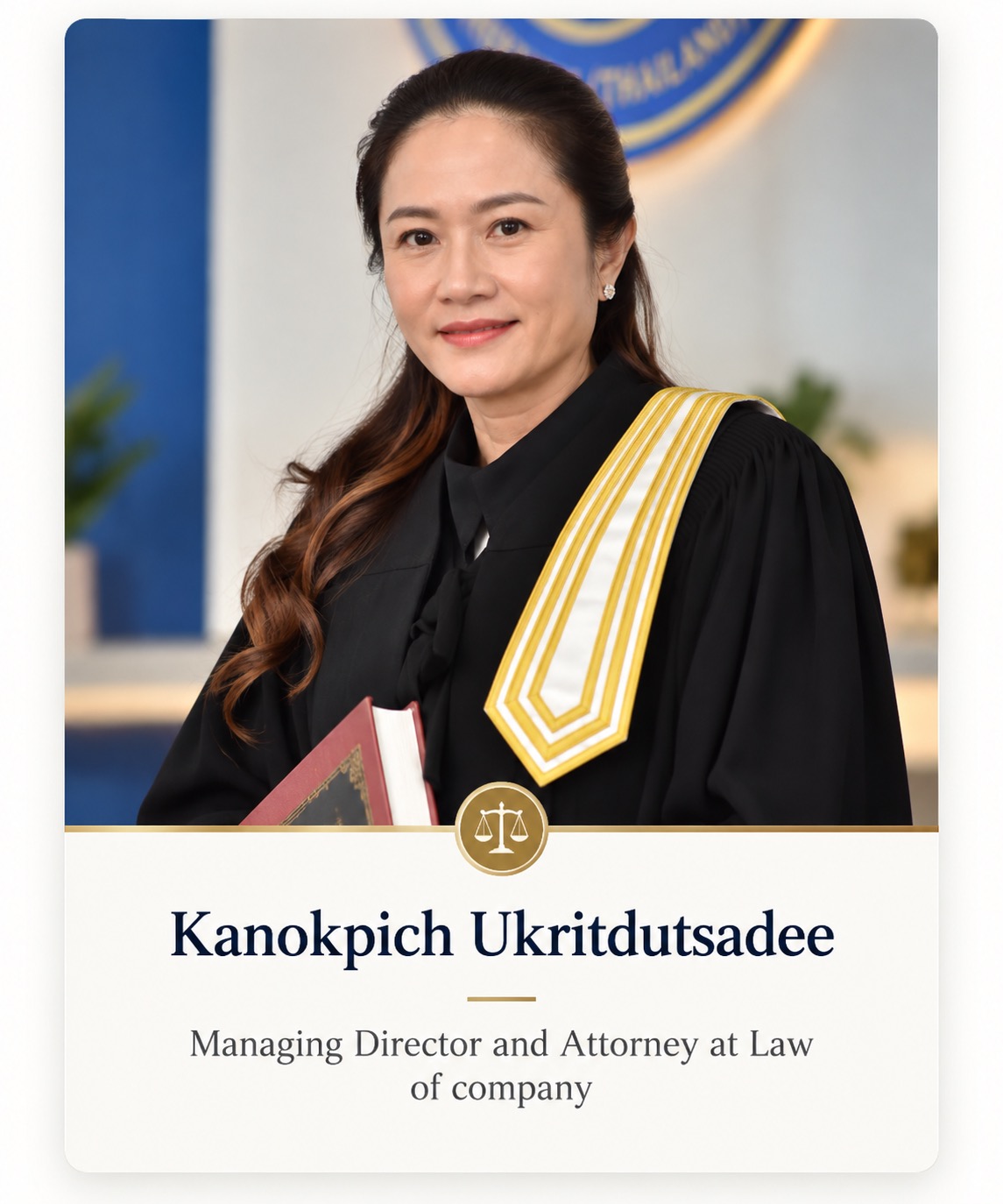
Kanokpich Ukritdutsadee (Lawyer Pook)
Managing Director & Lead Barrister
Leads the preparation of Canadian spousal and common-law sponsorship cases for Thai clients, personally responsible for ensuring the relationship and sponsor evidence presented reflects the couple's genuine circumstances.
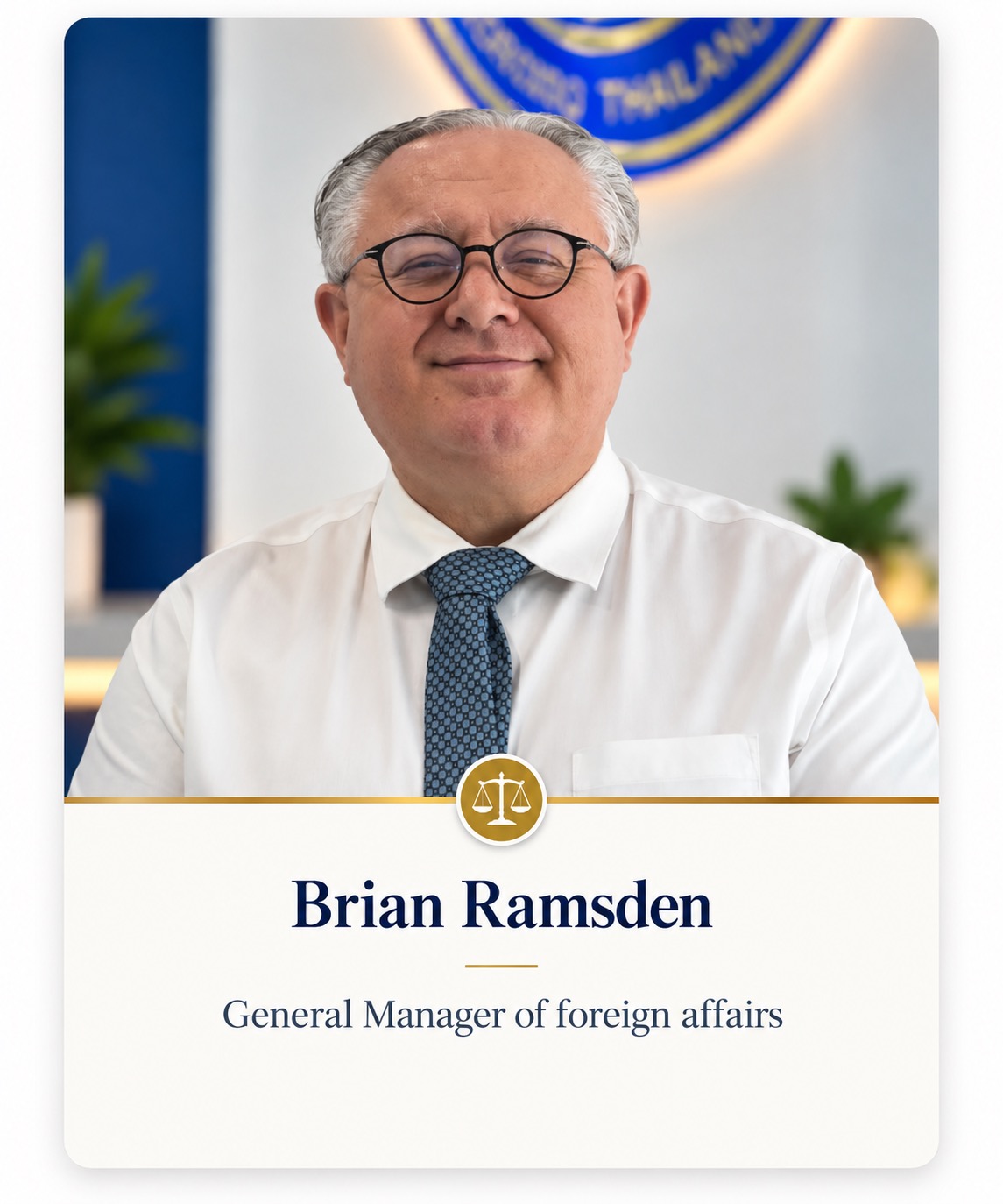
Brian Ramsden
General Manager of Foreign Affairs
Your first point of contact. Brian coordinates the initial assessment of the relationship, sponsor status and supporting evidence, and stays as your liaison as the sponsorship and permanent residence applications progress.
Related Resources
More on visas abroad for Thai citizens
For the other Canadian visa services we handle, or other destinations we assist Thai citizens travelling to, see the pages below.
Canadian Visas for Thai Citizens
→Visitor visas, family sponsorship, study permits, business visitor visas and visa refusals for travel to Canada
Canadian Visitor Visa (TRV) for Thai Citizens
→Application preparation for Thai citizens applying for a Temporary Resident Visa to visit Canada for tourism or family visits
Visas Abroad for Thai Citizens
→Visa application support for Thai citizens travelling to the UK, Europe, Australia, the US, Canada and more
Lawyers for Expats Thailand, 2026. The content of this page is general legal information and does not constitute legal advice for any specific matter. Please contact us for advice on your individual circumstances.